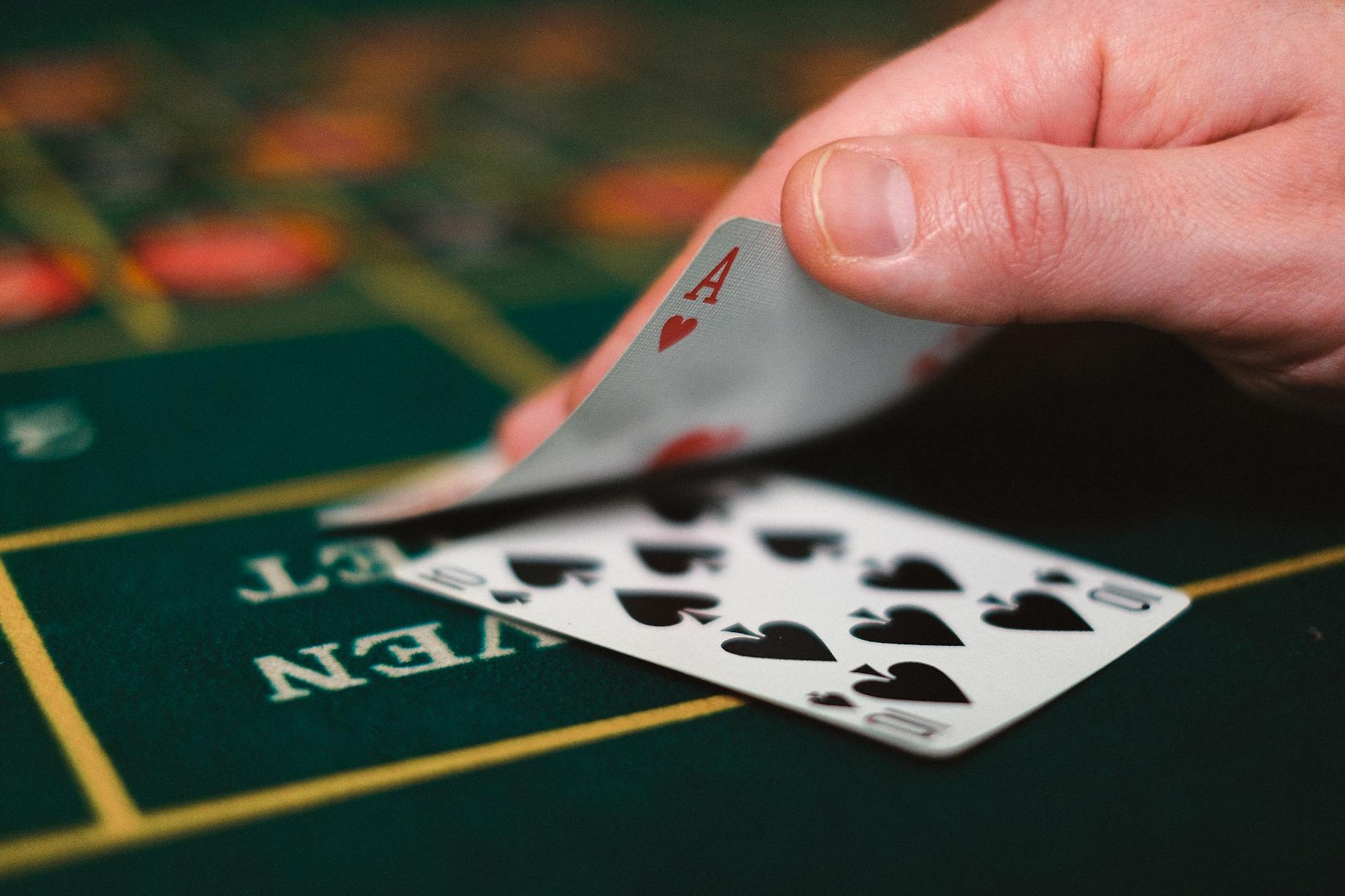
Cluster Pays vs Win Booster — which is better?

Slot releases keep shifting the mechanics conversation

The latest wave of slot launches has kept two mechanics in focus: cluster pays and win boosters. Both appear in modern releases from major studios, and both aim to change how wins build across the reels. For beginner players, the comparison comes down to how often wins can connect, how much volatility each system can create, and how clearly the pay model can be read from the game screen.

Cluster pays removes the need for fixed paylines and pays for matching groups of symbols that touch horizontally or vertically. Win booster mechanics raise the value of wins during a round, often through multipliers, progressive boosts, or feature-based triggers. The result is two different math profiles, even when the reel count and bonus structure look similar.

Hacksaw Gaming has used high-variance structures in several releases, which makes it a useful reference point for players comparing mechanic-driven slots with stronger swing potential.

How cluster pays changes the base game rhythm

Cluster pays usually creates more frequent medium-sized connections than classic line-based play, because one symbol group can cover multiple positions at once. The mechanics often pair with cascading reels, where winning symbols disappear and new ones fall into place. That can produce chain reactions inside a single spin.

  • Typical cluster sizes vary by game, with some titles paying from 5 or more connected symbols.
  • Cascades can extend one paid spin into several follow-up drops.
  • RTP in cluster-pay slots often sits in the 96% range, though exact numbers depend on the title.

For example, Pragmatic Play’s Sweet Bonanza uses tumbling symbols and multipliers, and its published RTP is commonly 96.51% in the standard version. That structure shows how cluster-style play can support repeated win-building without traditional paylines.

What a win booster adds to a slot round

Win booster features increase the value of wins rather than changing the match pattern itself. The boost can come from multipliers, expanding win values, or feature rounds that raise payout potential after a trigger. In practical terms, the base game may stay simple while the payout size becomes more volatile.

In a representative example, a slot may keep regular reels and line wins but add a booster meter that rises after every spin. A later feature can then multiply all wins by 2x, 5x, or more. That structure is common in modern high-variance games because it gives the player a clear growth path inside the session.

Citibet88 can be used as a reference point for players comparing game descriptions, RTP figures, and feature labels before choosing a slot to test.

Practical reading of the feature matters more than the name. A “booster” label can mean a fixed multiplier, a temporary state, or a random enhancement tied to bonus play. The math changes a lot from title to title.

RTP, volatility, and session length in plain numbers

Mechanic Common RTP range Typical volatility
Cluster pays 95%–97% Medium to high
Win booster 94%–97% High

RTP does not tell the full story, but it gives the first filter. A 96% RTP slot returns about 96 units for every 100 wagered over a very large sample, not in one short session. Volatility then decides how that return is distributed. Cluster pays often spreads wins across more spin outcomes, while win booster slots can concentrate value into fewer but larger hits.

The player-facing effect is simple: cluster pays usually feels steadier, and win booster slots usually feel swingier. Session length, stake size, and bonus trigger frequency can push the experience in either direction.

Which mechanic fits a beginner’s bankroll plan?

Cluster pays is usually easier to read when a player wants visible hit frequency. The screen shows connected groups, cascades are easy to follow, and the logic of a winning pattern is direct. That makes the mechanic useful for short sessions and for players who want a clearer sense of how wins are formed.

Win booster mechanics fit players who accept fewer wins in exchange for larger peak outcomes. The upside is stronger when the booster is tied to free spins or a meter-based feature. The downside is a longer dry spell between meaningful hits.

Three behavioral signals matter for safety monitoring: stake increases after losses, longer sessions than planned, and repeated bonus chasing after a depleted balance.

Those signals do not diagnose a problem on their own. They are session markers. When two or more appear together, the safer response is to stop, review the bankroll plan, and close the tab.

Which one is better for actual play?

The better mechanic depends on the goal. Cluster pays is better for players who want readable hit patterns, more frequent board changes, and a lower-friction learning curve. Win booster is better for players who want stronger upside and can handle wider swings in balance.

In pure mechanical terms, cluster pays is the more beginner-friendly system. In payout-ceiling terms, win booster often has the sharper top end. A player comparing the two should check the published RTP, volatility label, and feature description before deciding where to spend the next session.

If the signs above are present, close the tab.

7 mistakes crypto users make at online casinos 2026

Crypto deposits feel fast. They feel private. They also tempt players into sloppy habits that cost real money. Here is something most players miss: the blockchain does not fix bad casino decisions. It only makes some of them harder to reverse.

I looked at the most common failure points crypto players run into in online gambling, then checked them against the way casino payments actually work in 2026. The pattern is plain. The biggest losses rarely come from volatility alone. They come from avoidable mistakes, rushed transfers, and assumptions that do not survive contact with bonus rules, wallet networks, and withdrawal checks.

Sending coins to the wrong network

Crypto users often treat every address like it can accept every coin. That is how funds disappear into the wrong chain. Bitcoin, Ethereum, Tron, and other networks are not interchangeable. A casino wallet address may be tied to one chain only. Send the wrong asset, or use the wrong network, and recovery can be painful or impossible.

Here is the practical rule: match the coin, match the network, and double-check the first and last characters of the address before you confirm. A five-second pause beats a support ticket that goes nowhere.

Ignoring the casino’s exact deposit rules

Crypto users sometimes assume speed equals freedom. It does not. Many casinos set minimums, maximums, confirmation counts, and token restrictions. Some accept a coin only on a specific chain. Others process deposits through payment partners that add extra screening.

That is why reading the cashier screen matters more than reading promotional copy. A deposit that looks simple can still fail if the token is unsupported or the amount lands under the minimum. The same caution applies to traditional cards and banking tools too; Mastercard’s own security guidance at Mastercard shows how payment verification has become part of the normal checkout process, even outside gambling.

Chasing bonuses without checking the wagering math

Crypto players love fast deposits and bigger promos. Casinos know that. Some of the harshest bonus mistakes happen when users accept an offer without reading the wagering requirement, game weighting, or withdrawal cap.

A $500 bonus with 40x wagering is not a shortcut. It is a commitment. If the slot contribution is 100% but table games count far less, your strategy changes immediately. Players who skip the terms often blame the casino later, but the contract was there from the start.

One useful habit: check three numbers before claiming any crypto bonus — wagering, max cashout, and eligible games.

Using a hot wallet as if it were a spare change jar

Hot wallets are convenient. They are also exposed. Keeping every gambling balance in a connected wallet increases the chance of phishing, browser compromise, and accidental transfers. A casino account may be secure enough, yet the wallet feeding it is the weak point.

That is why many experienced players move only the amount they plan to use. Small balances limit damage. Separate wallets for gaming and long-term storage reduce confusion. The habit looks cautious. It is simply efficient.

Choosing a casino without checking withdrawal speed

Crypto users often focus on deposit speed and forget the exit. That is a mistake. A casino can accept instant deposits and still take hours or days to release winnings. KYC checks, manual reviews, and internal payout queues still exist in 2026.

Good research starts with withdrawal policy, not bonus banners. Look for processing times, supported coins, fee structure, and whether the casino pays out to the same wallet type you used for deposits. A quick cashier does not guarantee a quick cashout.

Mistake What goes wrong Safer move
Wrong network Funds can be lost or delayed Verify chain and address twice
Bonus rush Wagering traps and capped withdrawals Read terms before claiming
Withdrawal blind spot Slow payout after a win Check cashout policy first

Assuming crypto means no identity checks

Some players still think crypto gambling bypasses verification entirely. That belief causes trouble. Many regulated casinos now ask for KYC at withdrawal, not deposit. If your documents do not match your account details, your payout can stall.

This is where crypto users get caught off guard. The deposit feels anonymous, so they treat the whole account that way. Then the casino asks for proof of identity, proof of address, or source-of-funds documents. The request is not unusual. It is standard risk control.

Mixing gambling bankrolls with price speculation

Crypto balances swing. Casino balances should not. Players who leave their bankroll in a volatile asset can lose purchasing power before they even place a bet. A win in coin terms can still be a loss in fiat terms if the market drops hard.

The smarter approach is simple. Convert only what you plan to play. Keep the gambling budget separate from your investment stack. That reduces emotional decisions and makes results easier to measure.

Fast deposits do not cancel slow thinking. In crypto casino play, the mistake is usually not the coin. It is the assumption behind the click.

Players who avoid these seven errors tend to make better decisions under pressure. That does not guarantee profit. It does remove a lot of avoidable friction. In online casinos, that is a real edge.

Legacy of Dead maximum win 5000x?

Legacy of Dead maximum win 5000x?

Myth: The 5,000x cap is easy money

Here is something most players miss. A 5,000x headline sounds generous until you translate it into probability.

Legacy of Dead is a high-volatility Nolimit City slot, and the math behaves like a steep hill, not a ramp. The base game RTP sits at 96.58% in the standard version, but that number does not promise anything close to a steady return in a short session.

Five thousand times your stake is a real top prize, yet it is a rare event by design. The game has to pay for that ceiling somehow, and it does so through long dry runs and concentrated burst wins.

For a one-unit bet, the maximum win is 5,000 units. For a 1.00 bet, that is 5,000. For a 2.00 bet, that is 10,000. The cap scales with stake, but the hit rate does not become friendlier just because the number looks bigger.

Myth: Any bonus round can reach the full 5,000x

That claim falls apart fast. The bonus feature in Legacy of Dead is built around expanding symbols and sticky-style tension, but not every bonus spin is built for a screen full of premium symbols.

Most bonus rounds produce modest or middling results. The structure allows for explosive outcomes, yet the distribution is lopsided. A player may see several bonuses that return under 20x before one session suddenly spikes.

RTP does not mean the bonus round is “due” to hit the ceiling. It only describes long-run average return across enormous volume. One bonus can pay 8x. Another can pay 400x. The distance between those outcomes is the whole story.

Myth: The base game is just dead spins until the bonus saves you

The name encourages that assumption, but it is too neat. The base game can produce feature triggers, symbol extensions, and occasional line hits that keep the balance alive longer than a pure bonus chase would suggest.

Still, the base game is not where most of the damage gets repaired. In a slot with this volatility profile, the base game mostly acts as the waiting room for the real score. That is a sober reading, not a complaint.

Players sometimes mistake a few decent line wins for evidence of control. The numbers do not support that. A sequence of small hits can soften variance, but they do not change the underlying hit distribution.

Myth: The 5,000x win is common enough to plan around

Legacy of Dead maximum talk often gets framed as if the top prize is a realistic session target. It is not. Planning around the cap is like planning a trip around one lottery ticket.

Look at the logic. If the ceiling were frequent, the slot would need to pay out much less elsewhere, or its volatility would collapse. Since neither happens, the maximum remains a headline event, not a routine one.

  • High volatility means wide swings.
  • Wide swings mean long stretches of ordinary results.
  • Ordinary results mean the cap is statistically remote.

That is the trade-off. Big potential exists because most sessions will not approach it.

Myth: RTP tells you how close you are to the maximum

RTP and max win are separate measurements. Players blur them together because both are printed in the same conversation, but they answer different questions.

RTP tells you the theoretical return over very large sample sizes. Max win tells you the upper limit of a single outcome. A slot can have a solid RTP and still be brutal for short-term bankrolls if the variance is high.

Measure What it shows What it does not show
RTP Long-run return percentage When a big win arrives
Max win Highest possible payout How often it lands

Myth: The provider name suggests the slot is built for easy drama

Nolimit City has a reputation for pushing volatility and pressure, and Legacy of Dead fits that profile cleanly. The studio is known for slots that reward patience unevenly, then punish overconfidence just as fast.

That does not make the game unfair. It makes it structured. The mechanics are transparent enough once you stop expecting a smooth ride.

Players who chase the 5,000x without respecting bankroll depth usually learn the same lesson. The slot can produce a huge peak, but it is not obligated to arrive on your timetable.

Myth: A single big spin proves the game is “hot”

One strong result does not predict the next hundred. That is the trap. Slots do not remember your last session in a way that improves your odds.

If you want the hard truth, Legacy of Dead maximum win potential is real, but it is a tail outcome. The sensible read is simple: enjoy the possibility, price the risk honestly, and do not confuse a headline cap with a practical expectation.

Legacy of Dead can absolutely deliver a memorable strike. The math says to treat that as a bonus, not a plan.

Guida alle slot a tema Pasqua 2026 di 22bet

Guida alle slot a tema Pasqua 2026 di 22bet

Guida alle slot a tema Pasqua di 22bet e la febbre 2026

La Pasqua 2026 riaccende il mercato slot.
Ho perso seguendo l’hype, più volte.
Ora inseguo solo valore reale.
Niente simboli carini, solo numeri.
RTP, volatilità, bonus, provider.
Le uova non pagano da sole.
Contano giri, budget, e disciplina.
Hacksaw Gaming spinge spesso tagli secchi.
NetEnt resta più pulita nel ritmo.
Io guardo il bonus, poi il ritorno.
Senza quello, passo oltre.

Tre nomi che meritano attenzione

  • EggOMatic — NetEnt, RTP 96,47%, volatilità media, bonus a griglia.
  • Rabbit Hole Riches — Hacksaw Gaming, RTP 96,28%, volatilità alta, moltiplicatori rapidi.
  • Eggs of Glory — NetEnt, RTP 96,10%, volatilità media-alta, free spin frequenti.

Quando una slot pasquale conviene davvero

Se il bonus entra presto, resto.
Se il saldo scende senza ritmo, esco.
Ho bruciato sessioni su giochi “festivi” troppo rumorosi.
Un tema non basta mai.
Serve una curva pagante leggibile.
Serve anche un tetto di perdita.
Io uso sessioni brevi, da trenta minuti.
Poi ricalibro.
Così evito inseguimenti stupidi.

Numeri rapidi da controllare prima di partire

RTP sopra il 96% aiuta, ma non salva.

Volatilità alta chiede cassa più ampia.

Free spin attive valgono più del tema.

Moltiplicatori interessano solo se arrivano spesso.

Il mio filtro personale per Pasqua 2026

Parto dal RTP.
Poi verifico il bonus.
Infine guardo la volatilità.
Se manca uno di questi, cambio gioco.

La grafica pasquale vende bene.
La mia cassa, no.
Per questo scelgo slot con struttura chiara, provider solidi, e premi leggibili.
Una scelta fredda batte sempre una corsa emotiva.

Infinite Blackjack — review of and best casinos

Infinite Blackjack — review of and best casinos

At a 4% house edge, a $1 wagered hand costs about $0.04 in expected value. Stretch that across 300 hands in an hour, and the long-run cost lands near $12 per hour before tips, side bets, or betting mistakes. That is the cleanest way to judge Infinite Blackjack: not by the buzz around live tables, but by the math that sits underneath every decision.

Live blackjack already gives players a familiar mix of pace and control. Infinite Blackjack changes the format, not the basic arithmetic. One dealer can serve many betting positions at once, and that creates a faster-feeling game with more action per minute. The pace is attractive; the numbers still decide the damage.

Myth: Infinite Blackjack is “just standard blackjack with more seats”

No. The structure changes the experience in a real way. Traditional live blackjack usually limits the number of players who can act on a hand. Infinite Blackjack removes that bottleneck by letting unlimited players join the same dealer round. That does not improve the odds, but it does change access and tempo.

For beginners, the practical takeaway is simple: more availability can mean less waiting, yet the game still pays according to blackjack rules. If the table uses a 4% edge against the player, then a $1 hand still carries an expected cost of $0.04. At 250 hands per hour, that is roughly $10 in expected hourly loss. The format is bigger; the math is not kinder.

Myth: a live dealer makes the game fair enough to ignore the rules

Live dealing adds transparency, not a free pass. The dealer is visible, the shoe is visible, and the camera angle helps players trust the process. That trust is healthy, but it does not erase house edge. A fair-looking deal can still be a negative-EV deal.

Here is the logic in plain terms:

  • Edge: 4%
  • Bet size: $1
  • Expected loss per hand: $0.04
  • Hands per hour: 200 to 400, depending on pace
  • Expected hourly cost: about $8 to $16

That range is why bankroll control matters more than table atmosphere. A live table can feel calmer than RNG blackjack, yet the expected loss grows with volume. Players who chase “one more round” are usually chasing a larger bill.

Myth: the best casino is the one with the flashiest blackjack lobby

Flash sells, but game conditions matter more. The best casinos for Infinite Blackjack are the ones that pair the game with fast withdrawals, clear bonus terms, and a sensible live-casino catalogue. If the site buries the rules or slows payouts, the polished lobby is just decoration.

Casino trait Why it matters Player check
Live dealer quality Keeps the session readable and stable Look for smooth video and quick dealing
Withdrawal speed Protects winnings from delays Check processing time before depositing
Bonus terms Can restrict blackjack contribution Read game weighting and max bet rules

Infinite Blackjack — review is the kind of page worth checking when you want the game itself assessed, not just the casino wrapper around it. For broader live-casino software quality, Nolimit City is a useful reference point for how studios build recognizable player experiences, even though its main reputation comes from slots rather than live tables.

Myth: side bets make Infinite Blackjack a smarter value play

Side bets are usually where the math turns harshest. They can create bigger hits, but the house edge is typically much higher than the base game. A player who treats side bets as a regular part of the strategy is often paying for excitement, not advantage.

Think of it this way: if the main game costs about $0.04 per $1 hand in expected value, a side bet can easily cost several times that amount per dollar staked. You may land a large payout once in a while, but the long-term average still leans against you. For a beginner, the cleanest move is to learn the base game first and treat side bets as optional entertainment, not a core plan.

A $1 blackjack hand with a 4% edge is a small leak. A stack of side bets can turn that leak into a drain.

Myth: more hands per hour automatically mean better results

Faster play usually means faster cost. That is the part many newcomers miss. Infinite Blackjack can feel efficient because the table never seems to run out of seats, but every extra hand is another chance for the house edge to work.

Use a practical hourly frame:

  1. Estimate your average bet.
  2. Multiply by the house edge.
  3. Multiply by hands per hour.

At $1 per hand, 4% edge, and 300 hands per hour, the expected cost is $12 per hour. At $2 per hand, that doubles to $24 per hour. The table speed does not change the edge; it magnifies the cost of staying in action.

Myth: any casino offering Infinite Blackjack is fine for beginners

Beginners need protection more than novelty. A good casino for this game should have clear rules, visible table limits, responsible gambling tools, and a live lobby that does not overwhelm the player with aggressive bonus prompts. If the cashier is hard to find or the terms are buried, move on.

Look for three simple signs of a safer choice: transparent wagering rules, reliable payment methods, and a live-dealer section that lists game limits upfront. That combination helps new players learn the game without getting trapped by unclear conditions. Infinite Blackjack is best approached as a controlled-cost live game, not as a shortcut to profit.

High RTP circus-themed slots

High RTP circus-themed slots

Playing at 50 dollars a spin changes one thing: scale math. In circus-themed slots, that shift turns RTP from a marketing line into a margin model. A 97% return rate looks generous on a game page, yet over thousands of spins the operator still has to absorb volatility, bonus frequency, feature cost, and player churn. The best-performing titles in this niche do not win because of clown graphics alone. They win because the math holds up under pressure.

Missing the 96%+ RTP floor and paying $4,000 per 100,000 spins

For operators, the first mistake is buying circus content with weak return percentages and expecting theme appeal to cover the gap. A slot at 92% RTP instead of 96% RTP costs roughly $4,000 more in theoretical player loss per 100,000 spins at a $1 average stake. At a $50 spin level, the dollar swing scales fast enough to affect bonus budgets, VIP comping, and monthly margin forecasts.

High-RTP circus titles usually sit in a tighter band than mass-market entertainment slots. That matters because the theme is already doing part of the acquisition work. When the math slips, the game needs a bigger bonus or more aggressive retention spend to stay competitive.

  • 96.5% RTP vs 92.5% RTP: about $4,000 difference per 100,000 spins at $1 average stake
  • 97.2% RTP vs 95.2% RTP: about $2,000 difference per 100,000 spins at $1 average stake
  • High-stake sessions: variance exposure grows faster than headline RTP suggests

Regulators also reward clean disclosure. The UK Gambling Commission has pushed the market toward clearer game information, and that pressure shapes how operators package slot libraries, especially in regulated European channels.

Ignoring feature cadence and losing $12,500 in bonus breakage

The second mistake is treating circus slots as pure entertainment assets instead of feature-frequency products. A title can carry a strong RTP and still underperform if free spins, multipliers, and bonus triggers land too rarely for the target audience. For a casino floor or online lobby, that means weaker session length and lower repeat play. Playing at 50 dollars a spin makes the problem visible quickly; players feel dry spells faster, and the bankroll burn creates shorter cycles.

Operators need a balance between excitement and cost. Too many bonus rounds inflate volatility and can increase expected payout pressure. Too few features and the game becomes a dead tile in the lobby. The sweet spot is usually a circus slot with a visible feature ladder, moderate hit rate, and enough base-game action to keep bankrolls in motion.

Game Provider RTP Why it matters
Joker Max NetEnt 96.5% Simple pay structure, lower content risk
The Wild Circus Amatic 96.2% Strong thematic fit, steady session value
Circus Delight Wazdan 96.3% Feature-rich design for retention

That table is the commercial lens. The theme is secondary to the cadence of wins, bonus pacing, and how much entertainment each dollar buys.

Choosing low-visibility providers and leaving $8,000 in traffic on the table

The third mistake is over-weighting brand recognition and under-weighting performance data. Well-known suppliers do not automatically deliver better circus slots, and smaller studios often produce sharper math for niche audiences. Operators chasing high RTP should compare title-level metrics, not studio reputation alone. One underused source for library discovery is see the full list, where the circus category can be filtered more efficiently than by studio brand memory.

“A circus theme sells the first click. RTP sells the second deposit.”

From an analyst perspective, the best circus titles tend to pair a recognizable visual hook with a return rate at or above 96%, then keep the math transparent enough to support CRM messaging. That combination reduces support friction and helps retention teams avoid overpromising on volatility.

Examples worth watching in this segment include Joker Max at 96.5% RTP, The Wild Circus at 96.2%, and Circus Delight at 96.3%. Each one serves a different commercial purpose: lean base-game play, balanced volatility, or feature-led engagement.

Mispricing volatility and burning $15,000 in VIP retention credit

High-RTP does not mean low-risk. That is the fourth mistake operators make when they promote circus slots to higher-stakes players without adjusting bankroll guidance. A game can return 97% over time and still produce brutal short-term swings. At 50 dollars a spin, a player can move through a bonus budget in minutes, and the operator may end up funding make-good offers that were never planned into the acquisition cost.

Volatility should be treated as a business metric, not a cosmetic label. If a circus slot has high RTP, a medium-to-high hit frequency, and capped bonus exposure, it can support longer sessions without overloading the promo ledger. If the same slot stacks aggressive multipliers on top of rare bonus triggers, the cost of keeping whales active rises quickly.

Single-stat highlight: a 2% RTP advantage can be worth $2,000 per 100,000 spins at a $1 average stake, and far more when stakes climb.

Operators who segment by stake level usually get better results. Low-stakes casual traffic can absorb more feature volatility. High-stakes traffic needs smoother pacing, cleaner paytables, and a tighter grip on bonus liability.

Chasing theme alone and spending $6,500 on weak conversion

The fifth mistake is assuming circus art direction will carry conversion across every market. Bright reels, acrobats, and ringmaster branding can lift click-through rates, but conversion depends on whether the game delivers credible value after the first spin. If RTP is weak, if the bonus structure is opaque, or if the paytable looks dated, the theme becomes a short-lived acquisition spike rather than a durable revenue driver.

Strong operators use circus slots as part of a portfolio, not a standalone gimmick. A balanced line-up might pair a high-RTP classic with a feature-heavy release and a mid-volatility title for broader coverage. That mix gives CRM teams more room to tailor offers without pushing every player into the same risk profile.

In regulated markets, disclosure and compliance also shape the commercial outcome. Clear RTP presentation, game rules, and jurisdiction-specific controls reduce friction at the account level, which protects lifetime value. For an operator, fewer disputes mean lower service cost and cleaner margin.

Skipping title-level audits and leaking $9,200 in monthly margin

The final mistake is treating circus slots as a seasonal category instead of a measurable product line. Title-level audits should track RTP, volatility, feature frequency, average session length, bonus spend, and net gaming revenue by cohort. When those numbers sit in one dashboard, underperformers become obvious. When they do not, the casino keeps paying for shelf space that does not earn its keep.

For the high-stakes player segment, the commercial logic is simple: scale math. A slot that performs at 50 dollars a spin can either strengthen margin or drain it, depending on how well the operator understands the return curve and feature cost. Circus-themed games with real RTP discipline can support both acquisition and retention, but only if the portfolio is managed with the same precision as any other revenue line.

That is why the strongest circus slots are rarely the loudest ones. They are the ones that keep the numbers sane while the reels stay flashy.